
iamifood.com
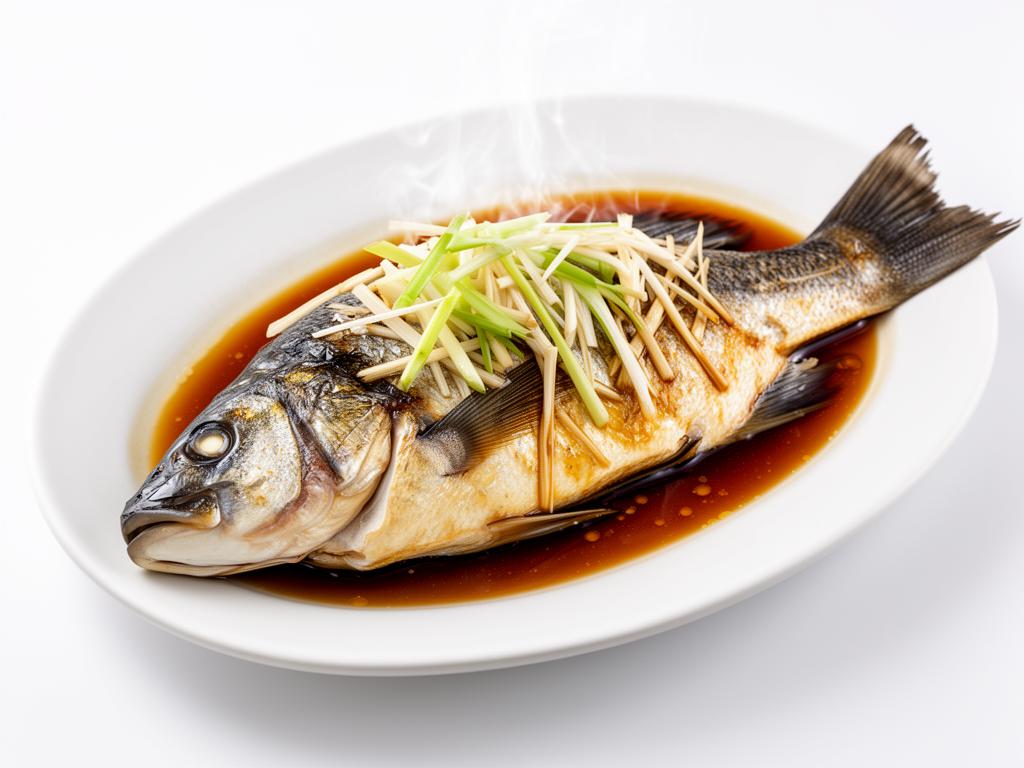
Cantonese Steamed Whole Fish — The Essential Technique
Cantonese steamed whole fish is, arguably, the most important dish in Chinese cooking. It represents everything Cantonese cuisine values: pristine ingredients treated with restraint to highlight their natural quality. The technique is deceptively simple — steam the fish, pour off the cooking liquid, add aromatics, then pour blazing hot oil over everything. That final pour of hot oil sizzles, cooks the raw ginger and spring onion in an instant, and releases their fragrance in a dramatic steam of aroma.
In Cantonese culture, steamed fish is the pinnacle of cooking skill — a test of ingredient quality and precise timing. It's a mandatory dish at Chinese New Year celebrations and important banquets.
Ingredients
- • 1 whole white fish, 500-700g (sea bass, bream, tilapia, or snapper)
- • 3cm fresh ginger, peeled and julienned very finely
- • 4 spring onions (scallions), julienned into long thin strips
- • 2 tbsp soy sauce
- • 1 tsp dark soy sauce
- • 1 tsp sugar
- • 3 tbsp neutral oil
- • 1 tsp sesame oil
- • 1 red chili, julienned (optional)
Instructions
- 1
Prepare the fish: score the fish 3-4 times diagonally on each side, cutting to the bone. This helps it cook evenly and allows the aromatics to penetrate. Place on a steaming plate.
- 2
Stuff the cavity and scores with half the ginger. Season lightly with salt inside the cavity.
- 3
Steam over boiling water for 8-10 minutes depending on the thickness of the fish. The fish is done when the flesh in the deepest score mark is completely white and flakes easily.
- 4
Carefully tilt the plate and pour off all the cooking liquid — it's mixed with fishy water and should be discarded.
- 5
Mix soy sauce, dark soy, and sugar. Pour over the fish.
- 6
Pile the remaining ginger and all the spring onion strips over the top of the fish in a generous mound.
- 7
Heat oil in a small pan over very high heat until it just begins to smoke.
- 8
Pour the blazing hot oil over the ginger and spring onion mound. It will sizzle dramatically. Add sesame oil immediately after.
- 9
Garnish with red chili and serve immediately.
Pro Tips
- 💡The ginger and spring onion must be julienned very finely — thin strips cook instantly when the hot oil hits them.
- 💡The oil must be truly hot — smoking point. Insufficiently hot oil doesn't sizzle dramatically and the aromatics taste raw.
- 💡Pouring off the cooking liquid before adding the soy sauce is not optional — it removes the fishy-tasting steaming water.
- •The ginger and spring onion must be julienned very finely — thin strips cook instantly when the hot oil hits them.
- •The oil must be truly hot — smoking point. Insufficiently hot oil doesn't sizzle dramatically and the aromatics taste raw.
- •Pouring off the cooking liquid before adding the soy sauce is not optional — it removes the fishy-tasting steaming water.
Frequently Asked Questions
Can I use fish fillets instead of whole fish?
Yes, steam fillets for 6-8 minutes. The visual impact is less but the technique and flavours are identical.
How do I know when the fish is perfectly cooked?
Insert a chopstick into the thickest part. If it slides in with no resistance and the flesh is white throughout, it's done.
What fish works best?
Sea bass is ideal. Bream, red snapper, tilapia, or grouper all work well.
Serving Suggestions
Place the whole fish on the table and serve communally with steamed rice. In Chinese tradition, it's bad luck to turn the fish over — eat one side, then carefully remove the spine to access the other side.
You Might Also Like
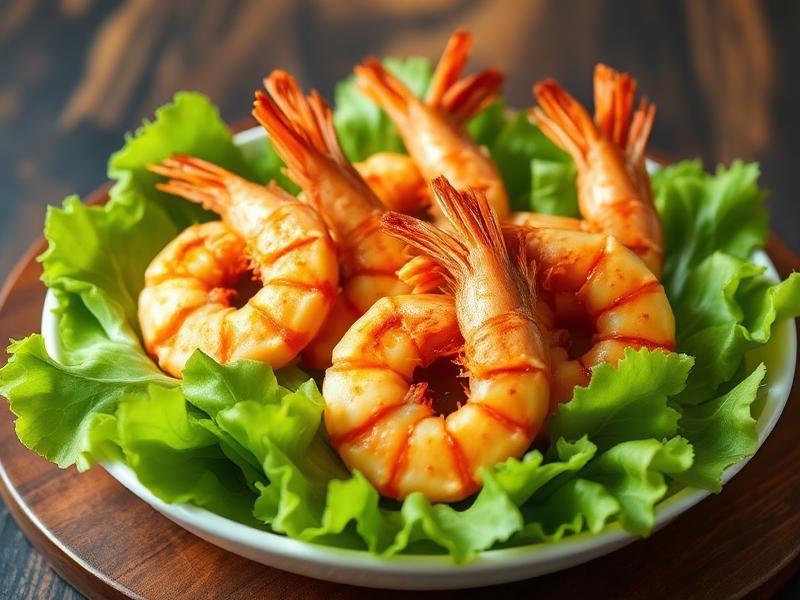
Peony Shrimp — Elegant Cantonese Butterfly Shrimp
Beautiful butterflied shrimp that open like peony flowers when fried — a show-stopping Cantonese banquet dish.
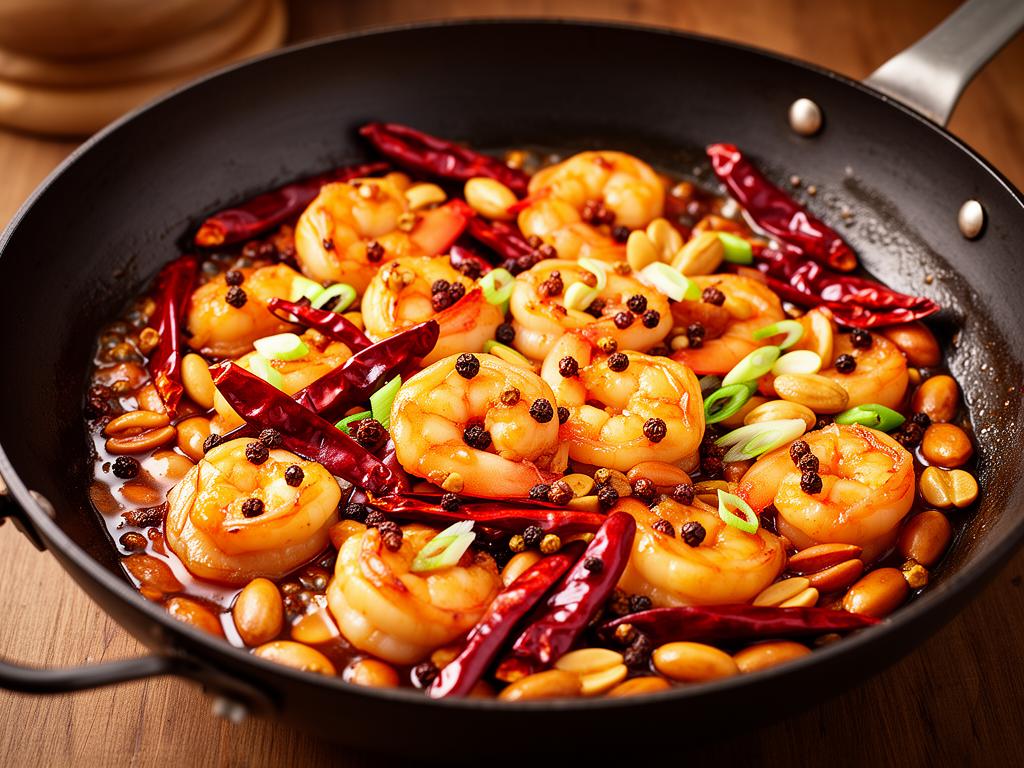
Kung Pao Shrimp — Quick Sichuan Stir-Fry
Make quick kung pao shrimp with the same authentic Sichuan sauce base as kung pao chicken. Ready in 15 min.
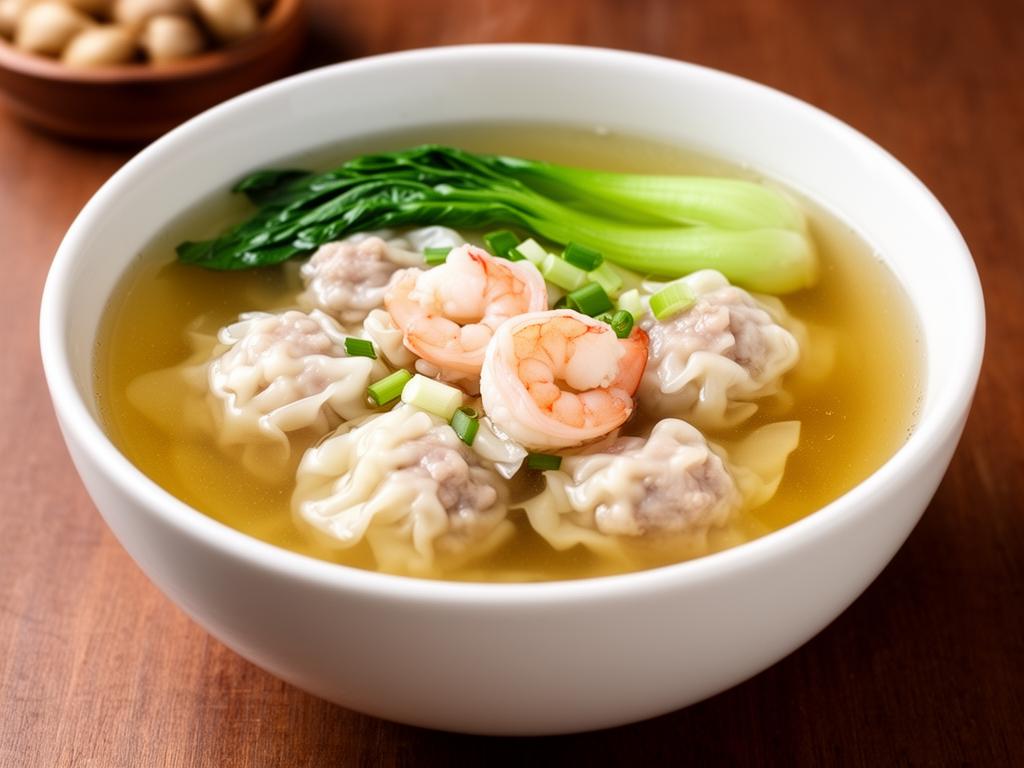
Wonton Soup From Scratch — Silky Dumplings in Clear Bro…
Make silky pork and shrimp wontons in clear broth from scratch — complete guide with folding techniques. Ready in 65 min.