
iamifood.com
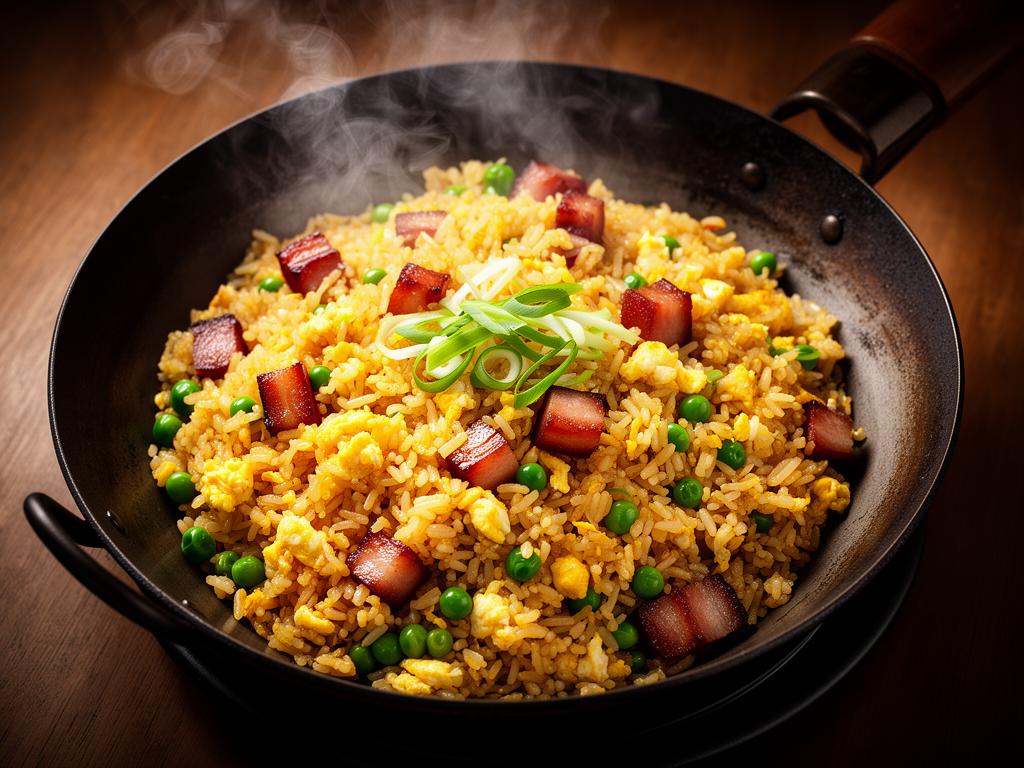
Restaurant-Style Egg Fried Rice — The Wok Hei Method
Egg fried rice sounds simple — and in many ways it is — but the gap between mediocre home fried rice and the version you get at a good Chinese restaurant is enormous. The secret is wok hei (镬气), the "breath of the wok" — that smoky, slightly charred, intensely savoury quality that can only come from extremely high heat. The most important rule before you even turn on the stove: use day-old cold rice. Freshly cooked rice has too much moisture and will steam and clump instead of frying.
Fried rice is believed to have originated during the Sui dynasty (589-618 AD) and has since become one of the most universally loved Chinese dishes. The technique of wok hei is central to Cantonese cooking philosophy.
Ingredients
- • 400g cooked jasmine rice, cold and day-old
- • 3 eggs, beaten with a pinch of salt
- • 100g frozen peas and carrots (or any leftover vegetables)
- • 3 tbsp neutral oil (not sesame oil — it burns)
- • 2 cloves garlic, minced
- • 3 spring onions, white and green parts separated
- • 2 tbsp soy sauce
- • 1 tsp dark soy sauce (for colour)
- • 1 tsp sesame oil (added at the end only)
- • White pepper to taste
- • Salt to taste
Instructions
- 1
Break up the cold rice with your hands before cooking, separating every clump until you have individual grains. This is essential — lumps of rice will never fry evenly.
- 2
Heat your wok over the highest flame possible for 2 full minutes until it starts to smoke. Add 2 tbsp of oil and swirl to coat. The oil should shimmer immediately.
- 3
Pour in the beaten eggs. Let them sit for 10 seconds, then scramble quickly, breaking into large pieces. Remove from wok before fully set and set aside.
- 4
Add remaining 1 tbsp oil. Add garlic and white parts of spring onion and stir-fry for 30 seconds.
- 5
Add any vegetables and stir-fry for 1 minute.
- 6
Add all the cold rice at once. Press it against the wok and let it sit without stirring for 30-40 seconds to get a little char on the bottom. Then toss and stir. Repeat this press-and-toss motion several times.
- 7
Add soy sauce and dark soy sauce. Toss to coat every grain. The rice should turn an even golden-brown colour.
- 8
Return the scrambled eggs, breaking them into smaller pieces as you fold them in.
- 9
Add green spring onion tops, drizzle sesame oil around the edge of the wok, season with white pepper, toss once more and serve immediately.
Pro Tips
- 💡The biggest home cook mistake is adding too much soy sauce. It creates steam, which makes the rice soggy. Add it in a thin stream around the side of the wok so it hits the hot metal first.
- 💡Cook in small batches — maximum 2 servings at a time. A full wok of rice brings the temperature down too much and you'll never get wok hei.
- 💡The press-and-let-sit technique is key. Stir-frying constantly prevents the Maillard reaction that creates flavour.
- •The biggest home cook mistake is adding too much soy sauce. It creates steam, which makes the rice soggy. Add it in a thin stream around the side of the wok so it hits the hot metal first.
- •Cook in small batches — maximum 2 servings at a time. A full wok of rice brings the temperature down too much and you'll never get wok hei.
- •The press-and-let-sit technique is key. Stir-frying constantly prevents the Maillard reaction that creates flavour.
Frequently Asked Questions
Can I use freshly cooked rice?
You can in a pinch — spread it on a tray and freeze for 30 minutes to dry it out. But genuinely day-old refrigerated rice gives far better results.
What if I don't have a wok?
Use the widest, heaviest pan you have — a cast iron skillet works well. The key is high heat and a large surface area.
Can I add protein?
Yes — shrimp, char siu (Chinese BBQ pork), lap cheong sausage, or chicken all work. Add pre-cooked protein at step 6 with the rice.
Serving Suggestions
Serve as a side dish alongside any Chinese stir-fry or braise. Also excellent topped with a fried egg and a drizzle of chili oil as a standalone meal.
You Might Also Like
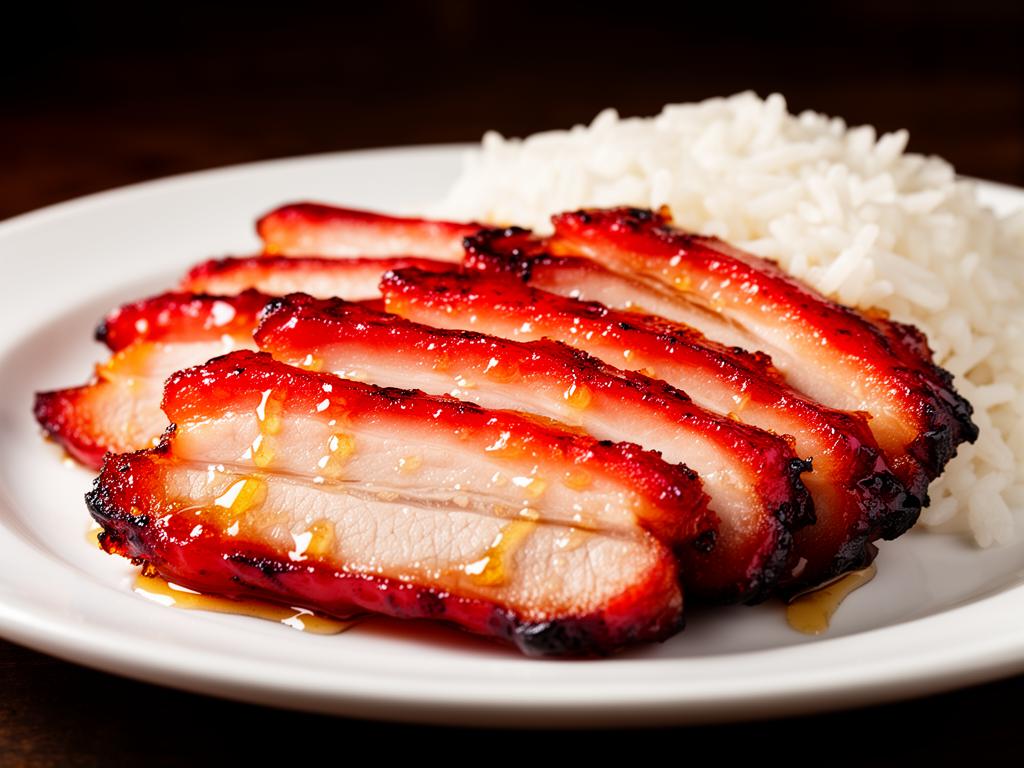
Char Siu (叉烧) — Cantonese BBQ Pork with Sticky Glaze
Make authentic Cantonese char siu at home — fermented red tofu marinade with honey-maltose glaze. Ready in 50 min plus marinating.
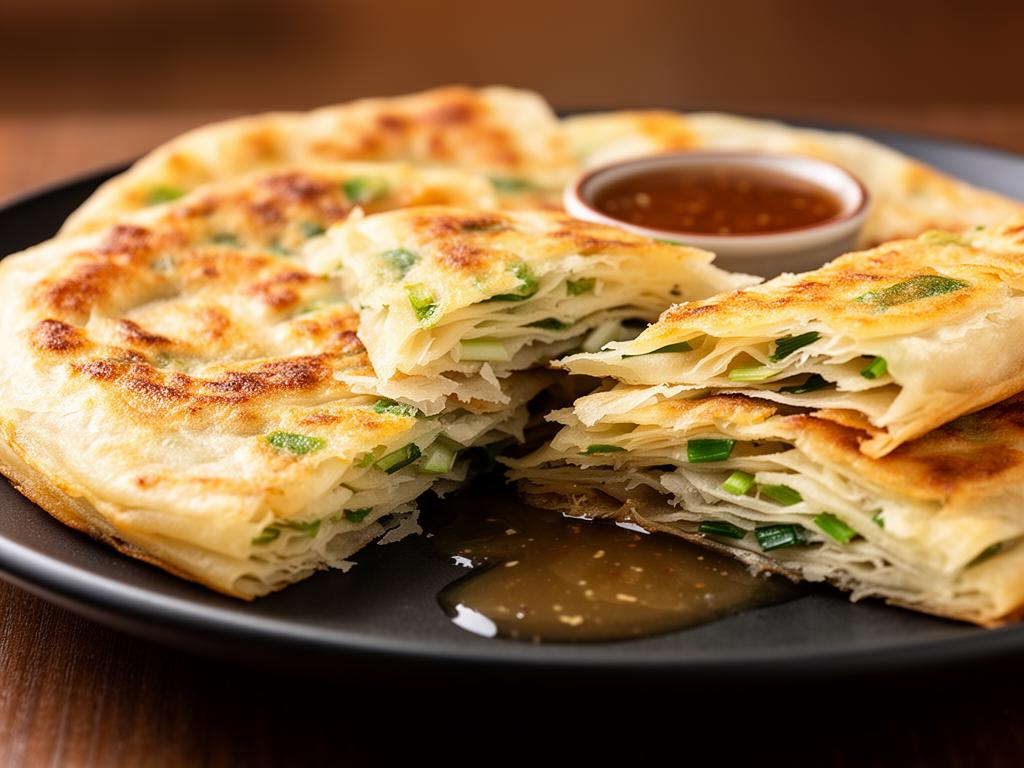
Flaky Chinese Scallion Pancakes (葱油饼) — Crispy Street F…
Make flaky, layered Chinese scallion pancakes with a hot water dough and sesame oil. Ready in 45 min.
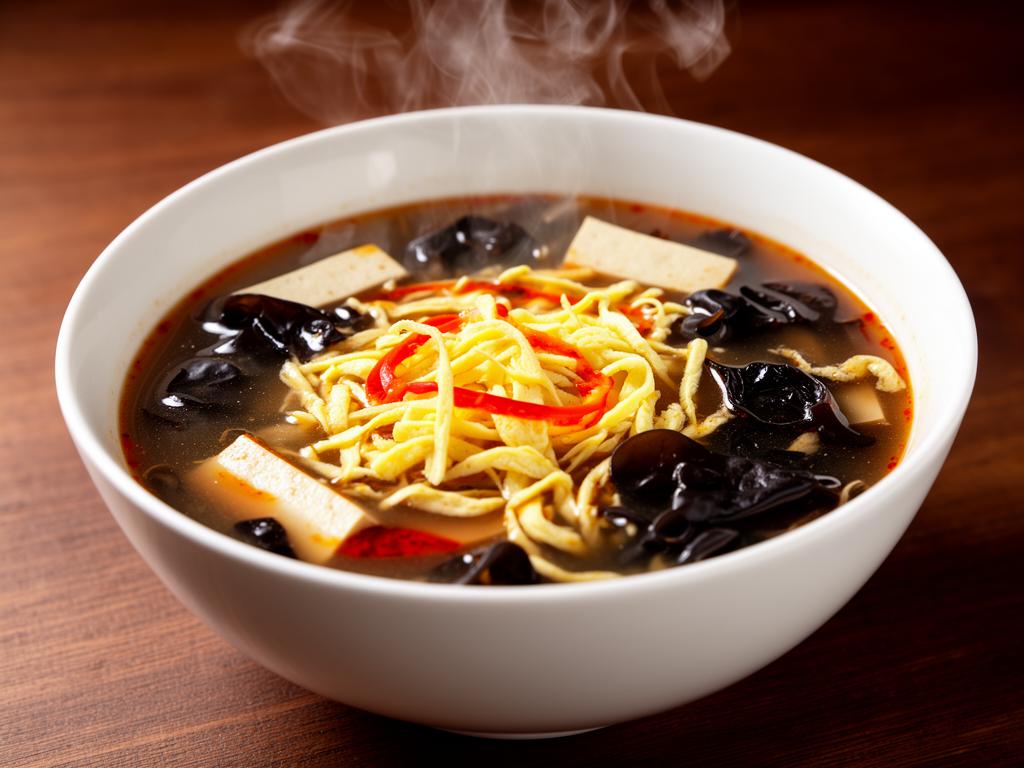
Hot and Sour Soup (酸辣汤) — Better Than Takeout
Make authentic Chinese hot and sour soup with Chinkiang vinegar and silky egg ribbons. Ready in 35 minutes.