
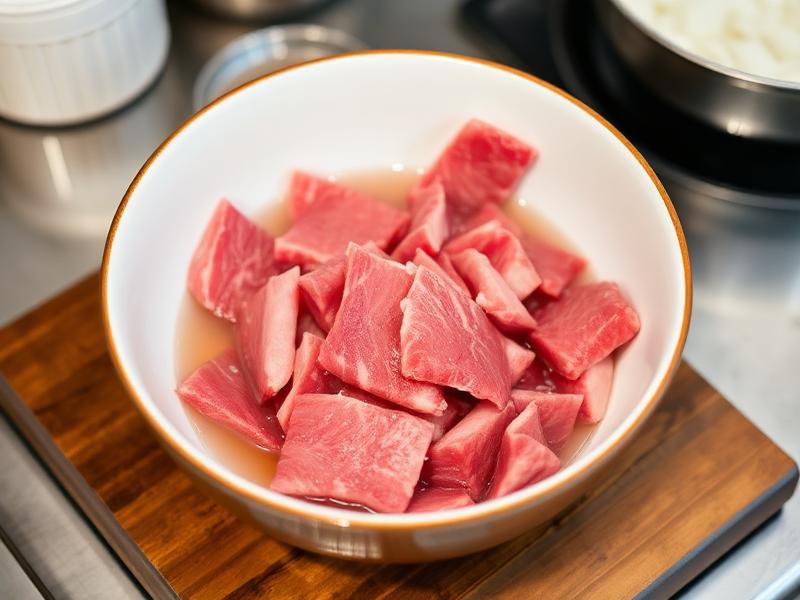
Chinese Meat Tenderizer — Baking Soda & Velveting Technique
Have you ever wondered why the chicken, beef, and pork in Chinese restaurant dishes are so impossibly tender and silky? The secret isn't expensive cuts of meat — it's a technique called velveting, often combined with a small amount of baking soda. This is the single most important Chinese cooking technique that most home cooks don't know about, and once you learn it, your stir-fries will never be the same.
Velveting (上浆, shàng jiāng) is a fundamental technique taught in every Chinese culinary school. It originated in Cantonese cooking and has spread to virtually every regional cuisine. The baking soda method is a more modern shortcut that achieves similar results with less effort.
Why Does It Work?
Baking soda (sodium bicarbonate) raises the pH of the meat's surface, making it more alkaline. This prevents the protein fibers from bonding too tightly when cooked, resulting in tender, juicy meat instead of tough, chewy pieces. Even a small amount — as little as ¼ teaspoon for a pound of meat — makes a dramatic difference. Traditional velveting works differently: the egg white and cornstarch coating creates a protective barrier that shields the meat from direct high heat, essentially steaming it inside its coating.
The Baking Soda Method (Quick Method)
Slice your meat thinly against the grain. For every pound of meat, dissolve ¼ teaspoon of baking soda in 1 tablespoon of water. Toss the meat in this mixture and let it sit for 15-20 minutes (no longer — over-tenderizing makes meat mushy and gives it a soapy taste). Rinse the meat thoroughly under running water, then pat completely dry. Proceed with your recipe. This method works best with beef, pork, and chicken breast.
Traditional Velveting Method (Best Results)
Slice meat thinly against the grain. For every pound of meat, mix: 1 egg white, 1 tablespoon cornstarch, 1 tablespoon Shaoxing wine, ½ tablespoon soy sauce, and a pinch of white pepper. Toss the meat in this marinade and refrigerate for at least 30 minutes (up to overnight). Before stir-frying, either: (a) blanch the meat briefly in boiling water for 30 seconds, or (b) pass it through medium-temperature oil (300°F) for 1 minute. Drain and then stir-fry as usual. The result is impossibly silky, tender meat.
Which Meats Work Best?
This technique works on virtually any lean meat: chicken breast, beef flank or sirloin, pork loin, and even shrimp. It's most impactful on lean cuts that tend to dry out quickly when stir-fried. Fattier cuts like chicken thigh or pork belly don't need tenderizing as the fat keeps them moist naturally.
Pro Tips
- 💡 Never use more baking soda than specified — too much gives meat a strange, slippery texture and chemical taste.
- 💡 Always rinse thoroughly after the baking soda treatment — residual baking soda affects the flavor.
- 💡 Velveting works best when meat is sliced thin (⅛ inch) against the grain.
- 💡 You can combine both methods for maximum tenderness: baking soda soak first, then velvet in egg white and cornstarch.
You Might Also Like
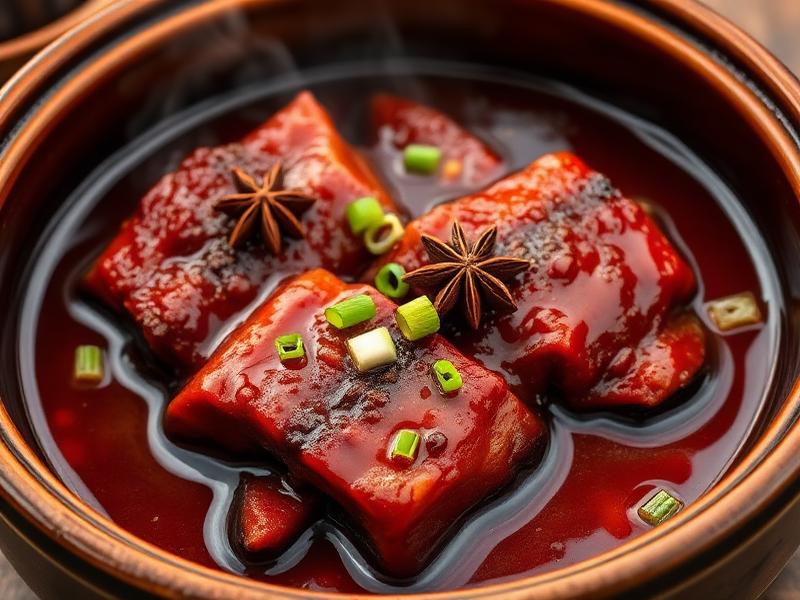
Chinese Red-Braised Pork Ribs (红烧排骨) — Classic Comfort…
Fall-off-the-bone tender pork ribs in a glossy, savory-sweet sauce — the ultimate Chinese home cooking comfort dish.
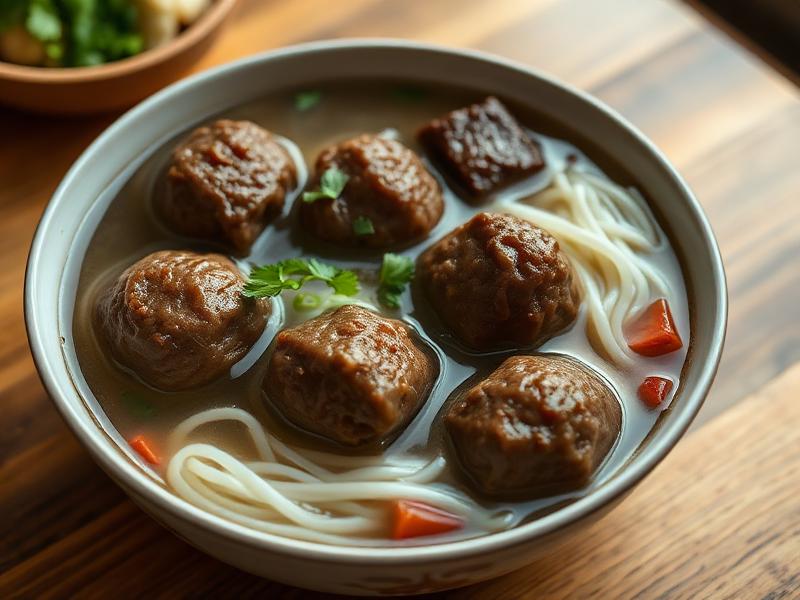
Homemade Beef Tendon Balls (牛筋丸) — Bouncy & Flavorful
Springy, bouncy beef balls with tender tendon pieces — a Chaoshan specialty perfect in soup or noodles.
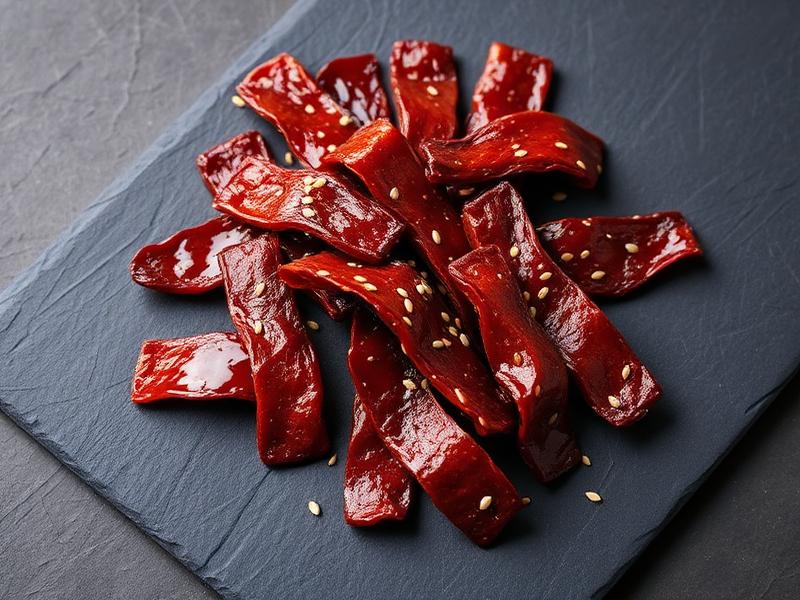
Chinese-Style Beef Jerky (牛肉干) — Sweet, Savory & Spicy
Thin, caramelized beef jerky with five-spice, soy, and a hint of sweetness — better than any store-bought version.