
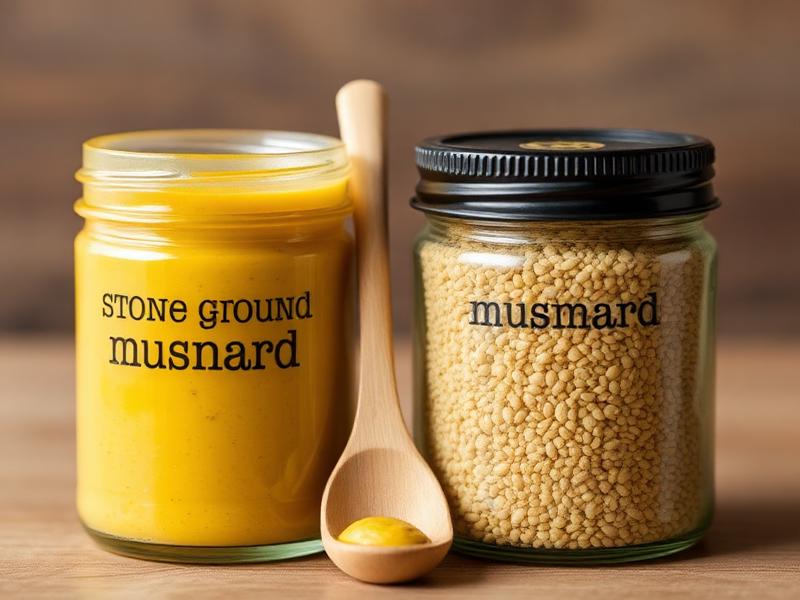
Stone Ground Mustard vs. Whole Grain Mustard — What's the Difference?
Mustard is one of those ingredients that exists in every cuisine around the world, including Chinese and Japanese cooking. But if a recipe calls for 'stone ground mustard' or 'whole grain mustard,' do you know the difference? They look similar, taste different, and behave very differently in cooking. This guide breaks down everything you need to know.
Mustard has been used in Asian cuisine for centuries. Chinese hot mustard (芥末) is a fiery condiment made from brown mustard seeds, traditionally served with egg rolls and cold cuts. Japanese karashi mustard appears alongside oden and tonkatsu. Understanding mustard varieties opens up a world of flavor possibilities.
What Is Stone Ground Mustard?
Stone ground mustard is made by grinding mustard seeds between two stones (a traditional method), creating a coarse but relatively uniform paste. The seeds are partially crushed, giving a rustic texture that's smoother than whole grain but rougher than smooth Dijon. It typically has a robust, earthy, moderately spicy flavor. The stone grinding preserves more of the mustard oils, giving it a deeper, more complex taste than machine-processed varieties.
What Is Whole Grain Mustard?
Whole grain mustard keeps the mustard seeds mostly intact, mixed into a vinegar or wine base. You can see and feel the individual seeds when you eat it. It has a milder, more pop-in-your-mouth texture with bursts of heat from individual seeds. The flavor is generally milder and more complex than stone ground, with the seeds providing both visual appeal and textural interest.
When to Use Each
Use stone ground mustard when: You want mustard flavor evenly distributed in a sauce, marinade, or dressing. It blends more smoothly into vinaigrettes and glazes. Great for Chinese-inspired dipping sauces and marinades for roasted meats. Use whole grain mustard when: You want visual texture and pops of heat. Perfect as a condiment, in potato salad, or as a crust on baked salmon or roasted pork. Whole grain mustard makes an excellent addition to Asian-style grain bowls.
Asian Applications
Both can elevate Asian cooking: Mix stone ground mustard with soy sauce and rice vinegar for a punchy dipping sauce for dumplings. Use whole grain mustard in an Asian-inspired salad dressing with sesame oil and lime. For a fusion approach, stone ground mustard mixed with miso creates an incredible glaze for grilled fish or roasted vegetables.
Pro Tips
- 💡 Both types should be stored in the refrigerator after opening to preserve flavor and prevent the mustard from becoming bitter.
- 💡 When substituting one for the other, adjust quantities — stone ground is generally more potent by volume.
- 💡 If you can't find either, Dijon mustard is the most versatile substitute for cooking applications.
- 💡 Chinese hot mustard is different from both — it's made from mustard powder mixed with water and is significantly spicier.
You Might Also Like
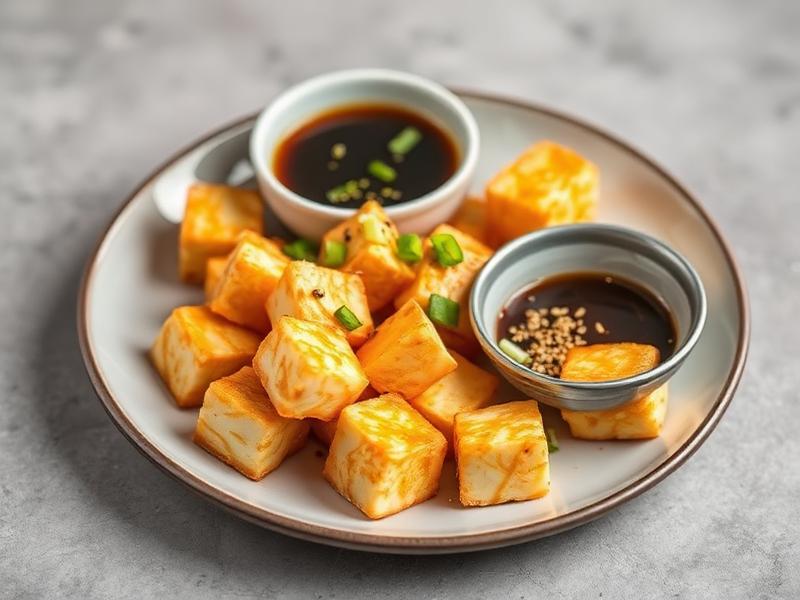
Crispy Pan-Fried Tofu with Savory Dipping Sauce
Golden, crispy on the outside and silky within — the easiest way to make tofu that even tofu skeptics will love.
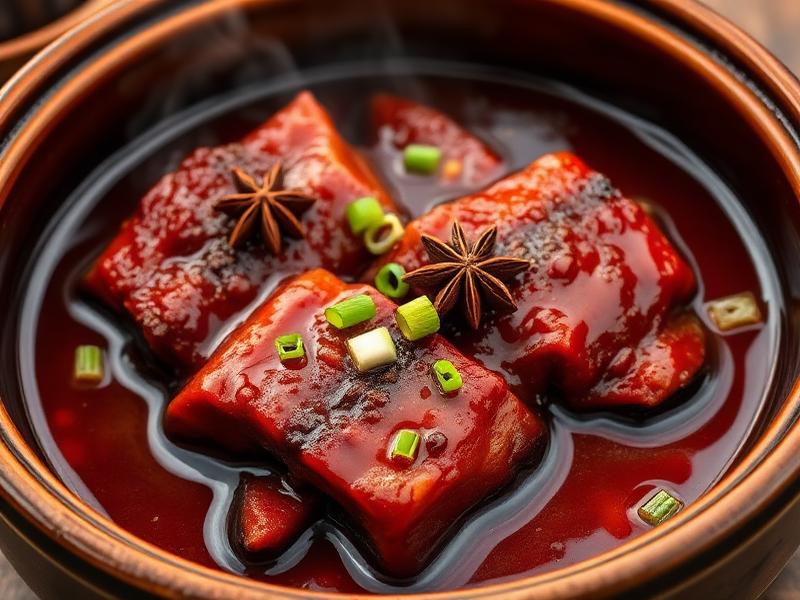
Chinese Red-Braised Pork Ribs (红烧排骨) — Classic Comfort…
Fall-off-the-bone tender pork ribs in a glossy, savory-sweet sauce — the ultimate Chinese home cooking comfort dish.
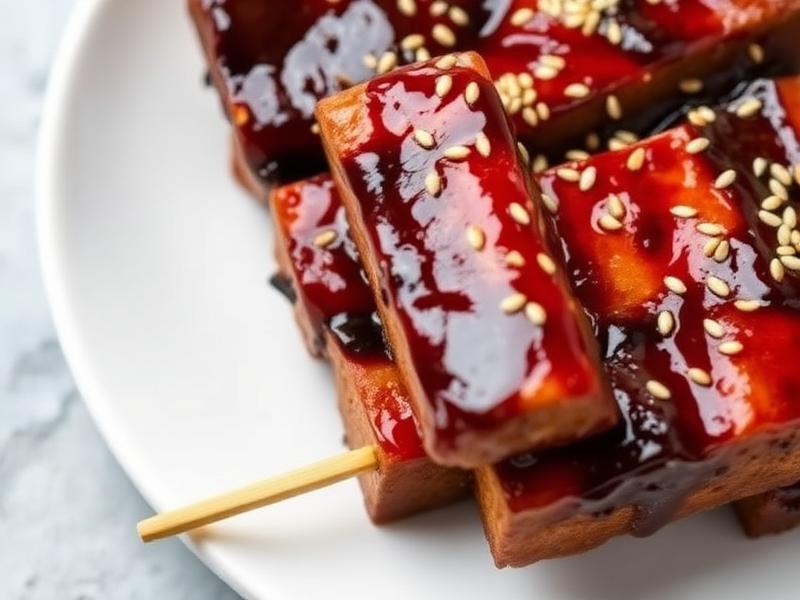
Easy Chinese-Style Vegan Ribs (Tofu Skin Ribs)
Crispy, savory, and deeply satisfying — these vegan ribs made from layered tofu skin taste remarkably close to the real thing.