
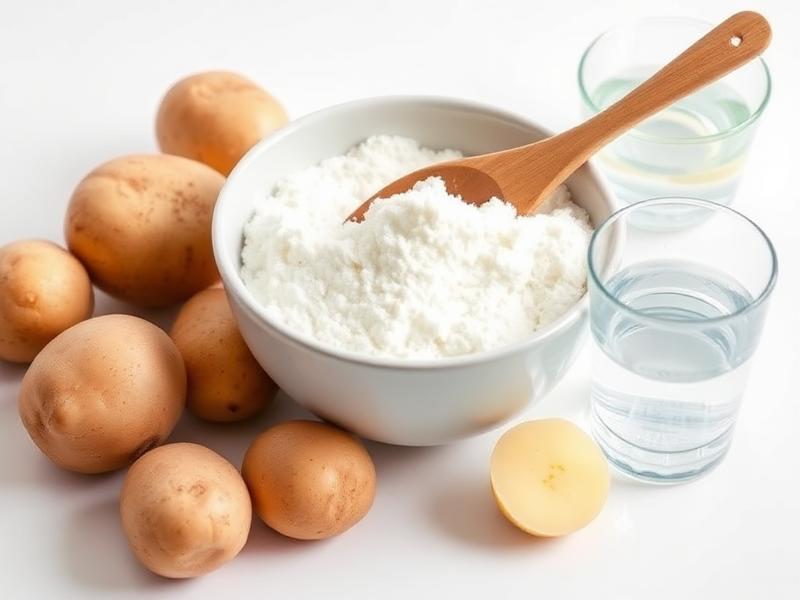
What Is Chinese Potato Flour? — Complete Guide
If you've ever followed a Chinese recipe and seen 'potato flour' or 'potato starch' listed as an ingredient, you might have been confused — is it the same as Western potato flour? The short answer is no, and using the wrong one can ruin your dish. Chinese potato starch (马铃薯淀粉 or 土豆淀粉) is a pure starch extracted from potatoes, creating a fine, silky white powder that's very different from the coarser flour made from dehydrated whole potatoes.
Starch science is taken seriously in Chinese cooking. Different starches create different textures — from the glass-like clarity of mung bean starch noodles to the crispy shells created by sweet potato starch. Understanding which starch to use and when is a fundamental skill in Chinese cuisine.
What Is Chinese Potato Starch?
Chinese potato starch (also labeled as potato starch, not potato flour) is a white, odorless powder extracted by crushing potatoes and washing out the starch granules. It's 100% starch with no protein, fiber, or other potato solids. When mixed with liquid and heated, it creates a translucent, glossy gel — thicker and more slippery than cornstarch. It's commonly sold in Chinese and Korean grocery stores in 1-pound bags.
Potato Starch vs. Cornstarch vs. Tapioca Starch
Cornstarch creates a slightly opaque, matte thickening and is best for general sauce-thickening and coating before frying. Potato starch creates a more translucent, glossier finish and has greater thickening power (use about 25% less than cornstarch). It also creates a lighter, crispier coating for frying. Tapioca starch creates the chewiest texture and is preferred for dumplings and mochi-like desserts. It's also the most stretchy when cooked. Each starch has its place — Chinese cooks often stock all three.
How to Use It in Cooking
For thickening sauces: Mix 1 tablespoon potato starch with 2 tablespoons cold water to create a slurry. Stir into simmering sauce and cook for 30 seconds — it thickens almost instantly. For coating and frying: Toss proteins or tofu in dry potato starch for an incredibly light, shatteringly crispy coating. This is the secret to Korean fried chicken's amazing crunch. For noodles: Potato starch is used in some glass noodle recipes, creating translucent, slippery noodles. For baking: Not recommended as a 1:1 flour substitute, but small amounts can make baked goods more tender.
Where to Buy It
Find it at any Chinese, Korean, or Japanese grocery store — look in the baking aisle or near the flours and starches. Common brands include Bob's Red Mill (widely available at Western supermarkets), Three Rings, and various Korean brands labeled '감자전분'. Online retailers like Amazon also carry it. Make sure the label says 'potato STARCH' not 'potato FLOUR' — they are completely different products.
Pro Tips
- 💡 Never add potato starch directly to hot liquid — always mix it with cold water first to create a slurry.
- 💡 Potato starch loses its thickening power if overcooked or reheated too many times.
- 💡 Store in a cool, dry place in an airtight container — it clumps easily if exposed to moisture.
- 💡 In a pinch, you can substitute cornstarch at a 1:1 ratio, though the texture won't be identical.
You Might Also Like
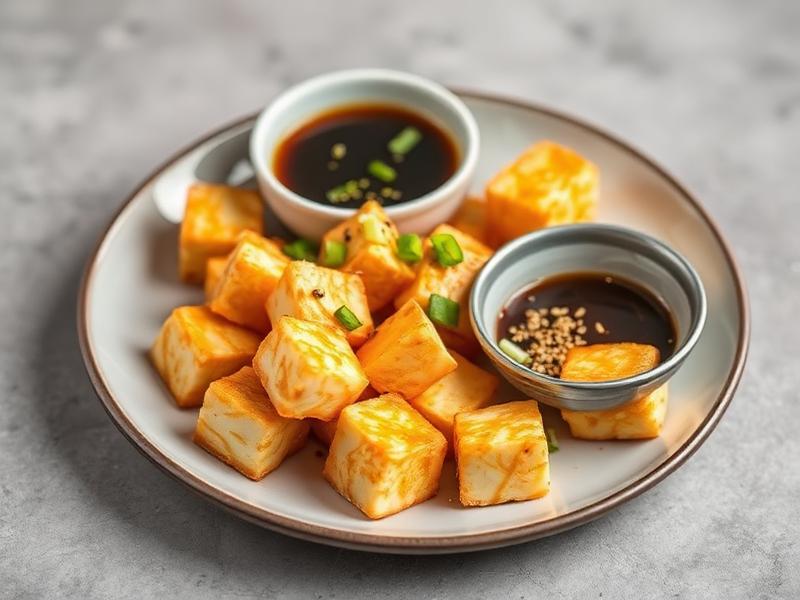
Crispy Pan-Fried Tofu with Savory Dipping Sauce
Golden, crispy on the outside and silky within — the easiest way to make tofu that even tofu skeptics will love.
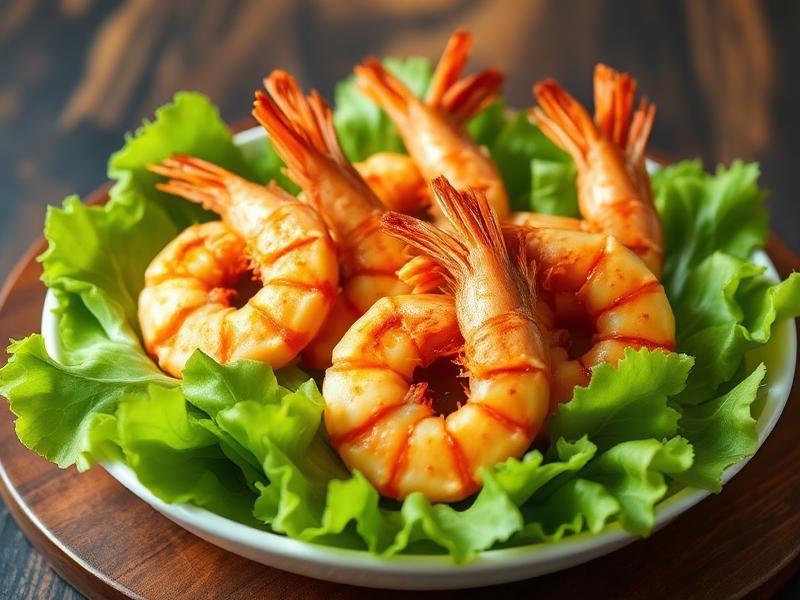
Peony Shrimp — Elegant Cantonese Butterfly Shrimp
Beautiful butterflied shrimp that open like peony flowers when fried — a show-stopping Cantonese banquet dish.
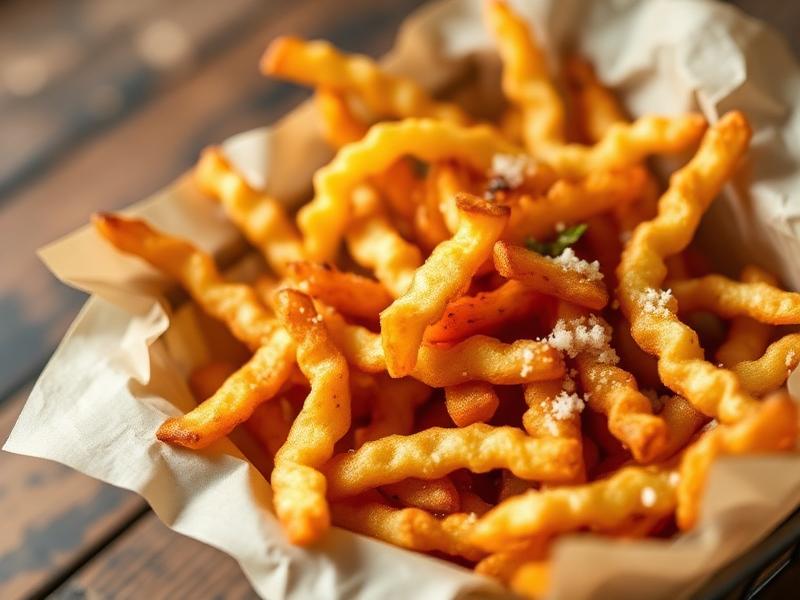
Crispy Crinkle Fries with Chinese Five-Spice Salt
Perfectly crispy crinkle-cut fries seasoned with aromatic Chinese five-spice salt — an addictive East-meets-West snack.