
iamifood.com
Authentic Mapo Tofu (麻婆豆腐) — The Real Sichuan Recipe
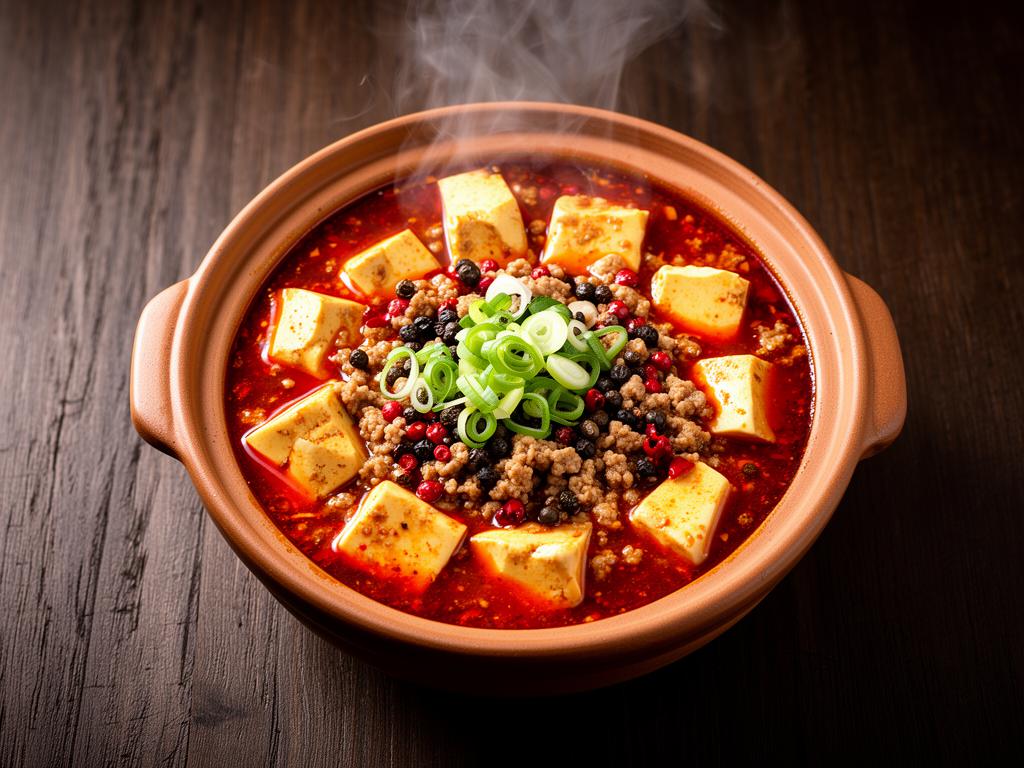
Mapo tofu is one of Sichuan's most famous exports — and one of the most misunderstood dishes outside China. The name translates roughly to "pockmarked old woman's tofu," named after the Qing dynasty restaurant owner Chen Liu who invented it in Chengdu. The real thing is built on two Sichuan pillars: "ma" (麻), the electric numbing tingle of Sichuan peppercorns, and "la" (辣), fierce chili heat from doubanjiang bean paste. Most Western versions skip the Sichuan peppercorns entirely and end up with just a spicy tofu dish — good, but not mapo tofu. This recipe gets both right. Use silken tofu for the traditional custardy texture, and don't skip the fermented black beans — they add a deep savory backbone that makes the sauce extraordinary.
Mapo tofu originated in Chengdu in the 1860s and is one of the definitive dishes of Sichuan cuisine. It embodies the Sichuan flavour principle of 'ma la' — numbing and spicy — and is enjoyed across all of China as a comfort food staple.
Ingredients
- • 400g silken or soft tofu, cut into 2cm cubes
- • 200g ground pork (fatty, 20% fat preferred)
- • 3 tbsp doubanjiang (Pixian bean paste)
- • 1 tbsp fermented black beans (douchi), roughly chopped
- • 4 cloves garlic, minced
- • 1 tbsp fresh ginger, minced
- • 2 dried red chilies, broken
- • 300ml chicken stock
- • 1 tbsp soy sauce
- • 1 tsp dark soy sauce
- • 1 tsp sugar
- • 2 tbsp cornstarch mixed with 3 tbsp water
- • 1 tsp Sichuan peppercorns, toasted and ground
- • 3 spring onions, sliced
- • 3 tbsp neutral oil
Instructions
- 1
Bring a pot of salted water to a gentle simmer. Carefully lower the tofu cubes in and poach for 3 minutes. This firms them up and prevents crumbling. Drain carefully and set aside.
- 2
Heat oil in a wok over high heat until shimmering. Add the ground pork and stir-fry, breaking it up, until no pink remains and it starts to crisp slightly, about 4 minutes.
- 3
Add the doubanjiang. Stir-fry for 2 full minutes — this is crucial. The paste needs to fry in the oil to develop its deep red color and release its flavour. The oil will turn crimson.
- 4
Add garlic, ginger, fermented black beans, and dried chilies. Stir-fry for another 60 seconds until fragrant.
- 5
Pour in chicken stock, soy sauce, dark soy, and sugar. Bring to a boil, stirring to combine everything.
- 6
Gently slide the drained tofu into the wok. Don't stir — shake the wok instead to move the tofu without breaking it. Simmer for 5 minutes to let the tofu absorb the sauce.
- 7
Stir the cornstarch slurry, then pour it in gradually while gently shaking the wok. Add just enough to thicken the sauce to a gravy consistency — it should coat the back of a spoon.
- 8
Transfer to a serving bowl. Immediately scatter ground Sichuan peppercorns and spring onions over the top. Serve with steamed white rice.
Pro Tips
- 💡Pixian doubanjiang from Sichuan is far superior to other brands. Look for it in Asian supermarkets — the label says 郫县豆瓣酱. It should be dark red and chunky, not smooth.
- 💡Toast your Sichuan peppercorns in a dry pan for 30 seconds before grinding. The numbing compound is volatile and fades with age — fresh-ground is dramatically better.
- 💡Poaching the tofu first is the single technique that separates restaurant mapo tofu from home cooking. Don't skip it.
- •Pixian doubanjiang from Sichuan is far superior to other brands. Look for it in Asian supermarkets — the label says 郫县豆瓣酱. It should be dark red and chunky, not smooth.
- •Toast your Sichuan peppercorns in a dry pan for 30 seconds before grinding. The numbing compound is volatile and fades with age — fresh-ground is dramatically better.
- •Poaching the tofu first is the single technique that separates restaurant mapo tofu from home cooking. Don't skip it.
Frequently Asked Questions
Can I make this vegan?
Yes. Substitute the pork with finely chopped shiitake mushrooms (300g) and use vegetable stock. The flavour is different but excellent. Some Sichuan Buddhist temples serve a vegan version using fermented soybeans in place of the meat.
I can't find doubanjiang — what can I substitute?
There's no perfect substitute, but a mix of gochujang (Korean fermented chili paste) plus a teaspoon of soy sauce and a little miso comes close. The flavour profile will be different but the dish will still be good.
How spicy is this?
Quite spicy by most standards. Reduce the doubanjiang to 1.5 tbsp and omit the dried chilies for a milder version. The Sichuan peppercorn numbing sensation is separate from heat — keep those in regardless.
Serving Suggestions
Serve over or alongside a bowl of plain steamed jasmine rice — the rice is essential to balance the fierce heat. A simple stir-fried green vegetable like Chinese broccoli or bok choy makes a perfect side.
You Might Also Like
Steamed Egg with Silken Tofu (蒸蛋豆腐) — Silky Smooth
An impossibly silky steamed egg custard with soft tofu — one of the most comforting dishes in Chinese cuisine.
Dan Dan Noodles (担担面) — Authentic Sichuan Street Noodle…
Authentic Sichuan dan dan noodles with sesame paste, chili oil, and crispy pork topping. Ready in 35 min.
Authentic Kung Pao Chicken (宫保鸡丁) — The Real Sichuan Ve…
Make authentic Sichuan kung pao chicken with velveted chicken, dried chilies, and roasted peanuts. Ready in 30 min.