
iamifood.com
Twice-Cooked Pork (回锅肉) — Sichuan Hui Guo Rou
Twice-cooked pork (回锅肉, huí guō ròu) is one of Sichuan's most essential dishes — pork belly that's first simmered whole until just cooked, then sliced thin and stir-fried with doubanjiang, leeks, and peppers until the fat renders out and the edges curl and crisp. The name literally means 'return to the pot meat,' describing the double-cooking technique. The result is deeply savoury, slightly spicy, and irresistibly rich.
Twice-cooked pork is considered one of Sichuan's 'nine major dishes' (九大碗) and is a staple of everyday Sichuan home cooking. The technique of boiling before frying was developed to use tougher cuts efficiently.
Ingredients
- • 500g whole piece pork belly (skin on)
- • 2 tbsp doubanjiang
- • 1 tbsp tianmianjiang (sweet bean paste)
- • 2 leeks or 4 baby leeks, cut into 3cm sections
- • 1 green pepper, cut into squares
- • 2 cloves garlic, sliced
- • 1 tbsp Shaoxing wine
- • 1 tsp soy sauce
- • 1 tsp sugar
- • 2 tbsp neutral oil
Instructions
- 1
Simmer whole pork belly in water with ginger and spring onion for 20 minutes until just cooked through. Remove and cool.
- 2
Slice the cooked pork belly as thinly as possible — 2-3mm is ideal. Partially freezing it for 15 minutes makes this easier.
- 3
Heat oil in a wok over medium-high heat. Add pork slices and stir-fry for 3-4 minutes until the edges curl and become slightly crispy and the fat renders out.
- 4
Push pork to the side. Add doubanjiang and stir-fry for 1 minute until fragrant and oil turns red.
- 5
Add tianmianjiang, garlic, Shaoxing wine, soy sauce, and sugar. Stir to combine.
- 6
Add leeks and green pepper. Stir-fry for 2 minutes until leeks are wilted but still have some bite.
- 7
Serve immediately over steamed rice.
Pro Tips
- 💡Slice the pork as thin as possible — this maximises the surface area that gets crispy and caramelised.
- 💡Don't skip the boiling step — it firms the pork and makes thin slicing possible.
- 💡The pork should curl at the edges when it's ready — this is called 'dengjian' (灯盏) or 'lamp cup' shape.
- •Slice the pork as thin as possible — this maximises the surface area that gets crispy and caramelised.
- •Don't skip the boiling step — it firms the pork and makes thin slicing possible.
- •The pork should curl at the edges when it's ready — this is called 'dengjian' (灯盏) or 'lamp cup' shape.
Frequently Asked Questions
Can I use pork loin instead?
You can, but the dish will be much leaner and drier. Pork belly with its layers of fat is traditional and essential for the proper texture.
What is tianmianjiang?
Sweet bean paste (甜面酱) — a dark, thick paste made from fermented wheat flour. Hoisin sauce is a reasonable substitute.
Can I make this less spicy?
Reduce doubanjiang to 1 tbsp and increase tianmianjiang for a sweeter flavour profile.
Serving Suggestions
Serve with steamed white rice and a lighter vegetable dish to balance the richness.
You Might Also Like
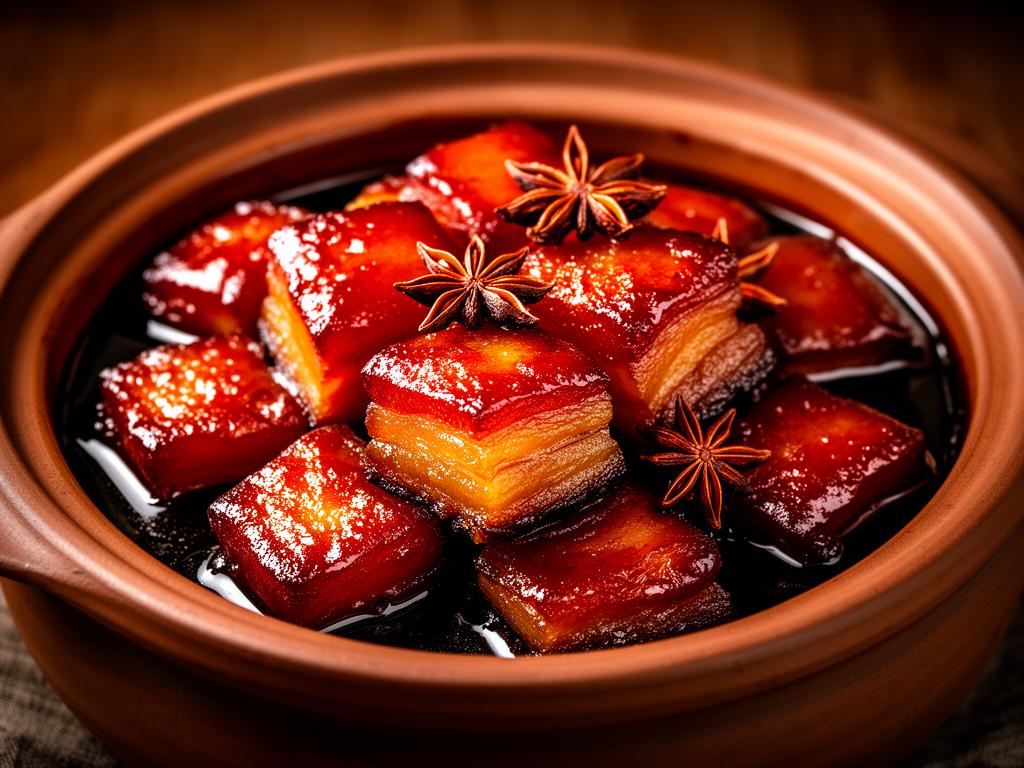
Red-Braised Pork Belly (红烧肉) — Chairman Mao's Favourite
Make melt-in-the-mouth red-braised pork belly with caramelised rock sugar and aromatic spices. Ready in 105 min.
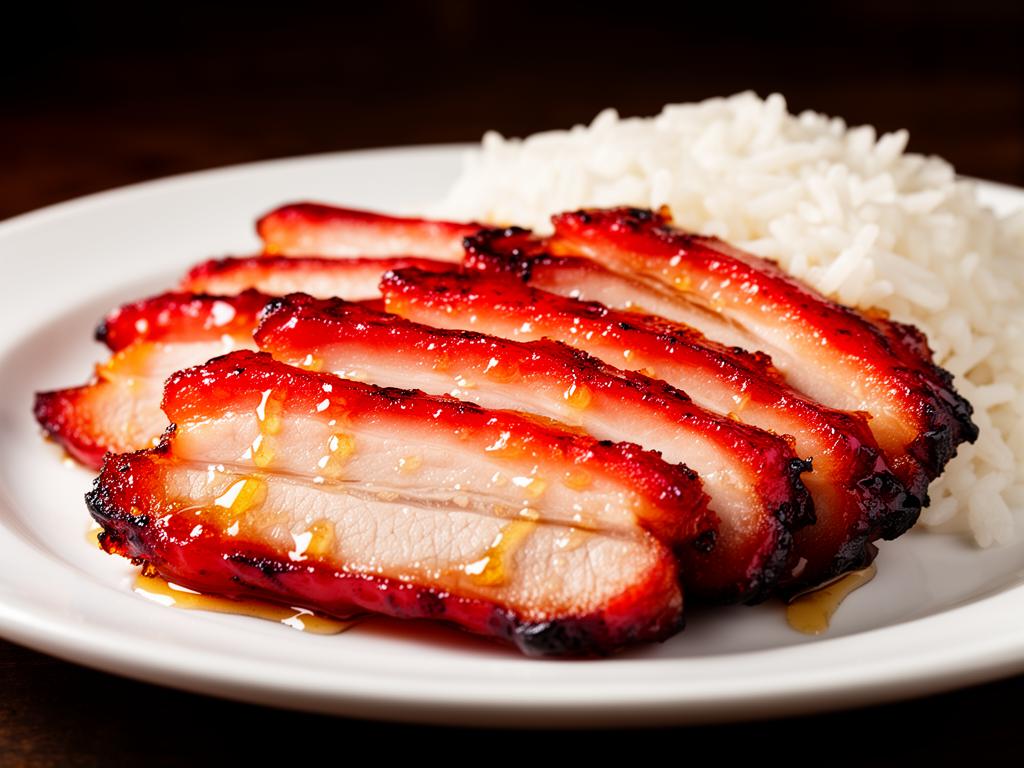
Char Siu (叉烧) — Cantonese BBQ Pork with Sticky Glaze
Make authentic Cantonese char siu at home — fermented red tofu marinade with honey-maltose glaze. Ready in 50 min plus marinating.
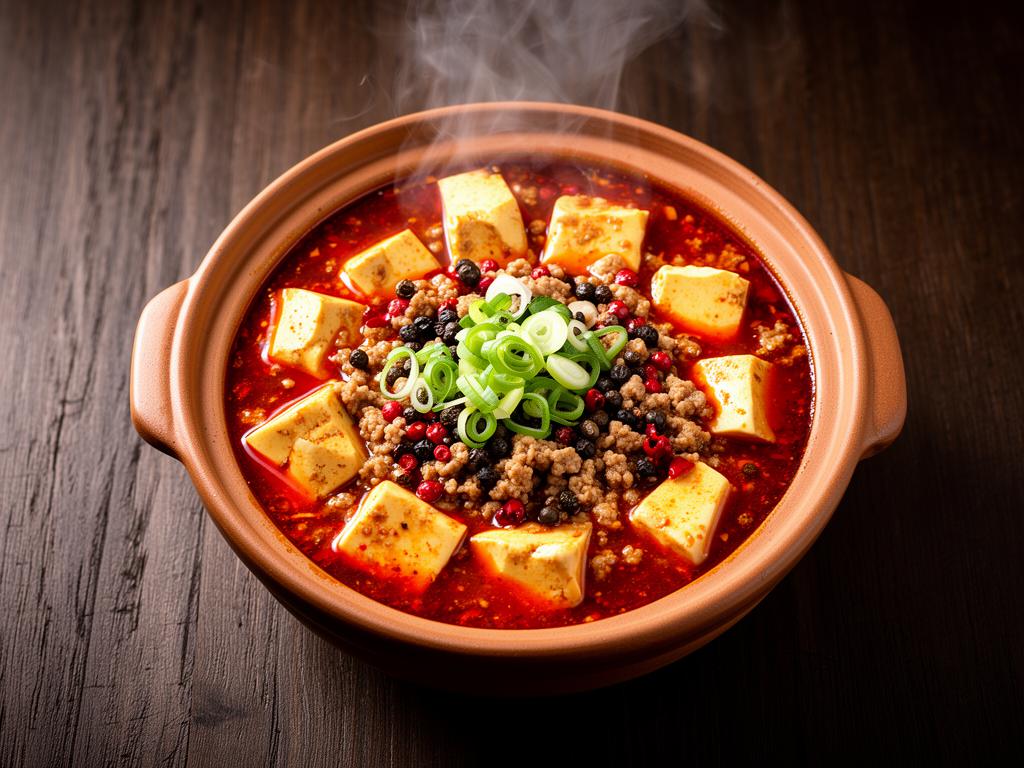
Authentic Mapo Tofu (麻婆豆腐) — The Real Sichuan Recipe
Learn to make authentic Sichuan mapo tofu at home — silken tofu in fiery doubanjiang sauce with numbing peppercorns. Ready in 30 min.