
iamifood.com
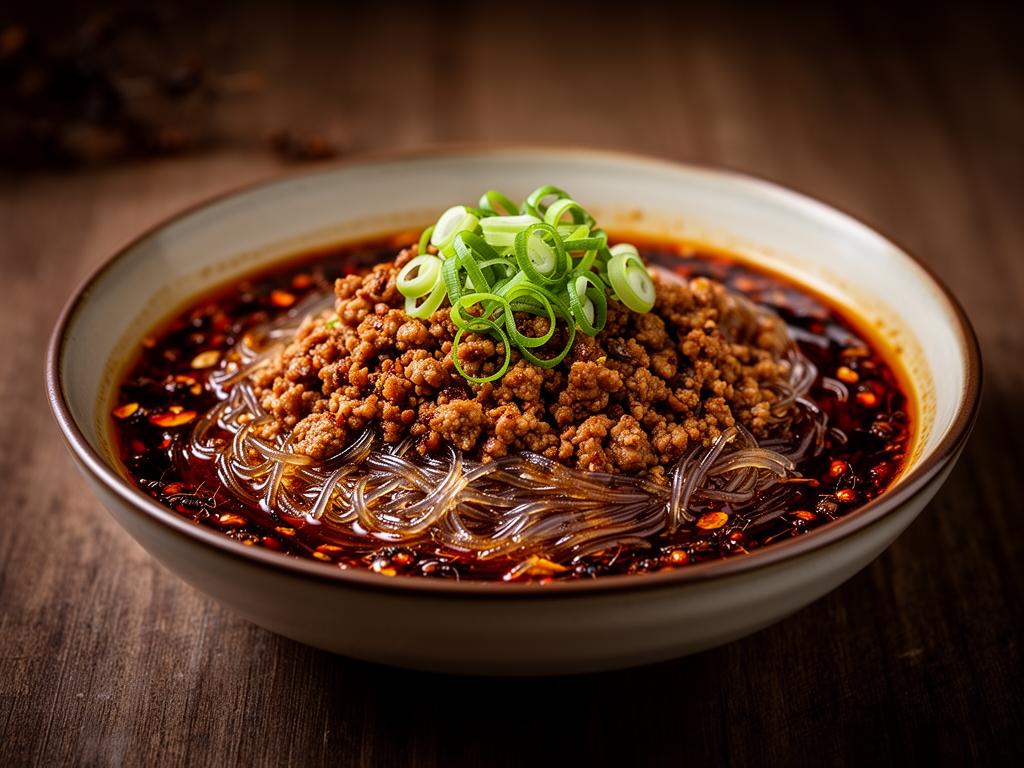
Ants Climbing a Tree (蚂蚁上树) — Sichuan Glass Noodles with Pork
Ants climbing a tree is one of Sichuan cuisine's most poetically named dishes — the tiny pieces of seasoned pork mince clinging to slippery glass noodles resemble ants swarming up tree branches. Despite the whimsical name, this is serious comfort food: savoury, slightly spicy, and deeply satisfying. The glass noodles (made from mung bean starch) absorb the doubanjiang-laced sauce beautifully, becoming translucent and slippery with an addictive chew.
This dish (蚂蚁上树, mǎ yǐ shàng shù) is a classic Sichuan home-cooking staple that has spread across all of China. It's beloved for its affordability and speed — a true weeknight hero.
Ingredients
- • 100g glass noodles (mung bean vermicelli)
- • 150g ground pork
- • 2 tbsp doubanjiang (Pixian bean paste)
- • 2 tbsp ya cai (Yibin preserved vegetables)
- • 2 cloves garlic, minced
- • 1 tbsp fresh ginger, minced
- • 1 tbsp soy sauce
- • 1 tsp dark soy sauce
- • 200ml chicken stock or water
- • 2 spring onions, sliced
- • 1 tbsp neutral oil
- • 1 tsp sesame oil
Instructions
- 1
Soak glass noodles in hot water for 10 minutes until softened but still slightly firm. Drain and cut into shorter lengths with scissors.
- 2
Heat oil in a wok over high heat. Add ground pork and stir-fry, breaking it up, until no pink remains — about 3 minutes.
- 3
Push pork to the side and add doubanjiang. Fry for 1 minute until the oil turns red and fragrant.
- 4
Add garlic, ginger, and ya cai. Stir-fry for 30 seconds.
- 5
Add soy sauce, dark soy sauce, and chicken stock. Bring to a boil.
- 6
Add the drained glass noodles. Toss everything together and cook for 3-4 minutes until the noodles have absorbed most of the liquid.
- 7
Drizzle with sesame oil, garnish with spring onions, and serve immediately.
Pro Tips
- 💡Don't over-soak the glass noodles — they should still be slightly firm before cooking, as they'll continue to soften in the sauce.
- 💡Ya cai adds an essential fermented crunch. If unavailable, use Tianjin preserved vegetable as a substitute.
- 💡This dish should be slightly saucy, not dry. If the noodles absorb too much liquid, add a splash more stock.
- •Don't over-soak the glass noodles — they should still be slightly firm before cooking, as they'll continue to soften in the sauce.
- •Ya cai adds an essential fermented crunch. If unavailable, use Tianjin preserved vegetable as a substitute.
- •This dish should be slightly saucy, not dry. If the noodles absorb too much liquid, add a splash more stock.
Frequently Asked Questions
Can I make this vegetarian?
Yes — replace pork with crumbled firm tofu or finely diced shiitake mushrooms. Use vegetable stock.
What are glass noodles made from?
Traditional glass noodles are made from mung bean starch. Sweet potato noodles are thicker but also work. Avoid rice vermicelli — they have a different texture.
How spicy is this dish?
Moderately spicy from the doubanjiang. Reduce to 1 tbsp for a milder version or add chili oil for more heat.
Serving Suggestions
Serve as a standalone noodle dish with a side of smashed cucumber salad, or as part of a larger Chinese meal with rice and a vegetable stir-fry.
You Might Also Like
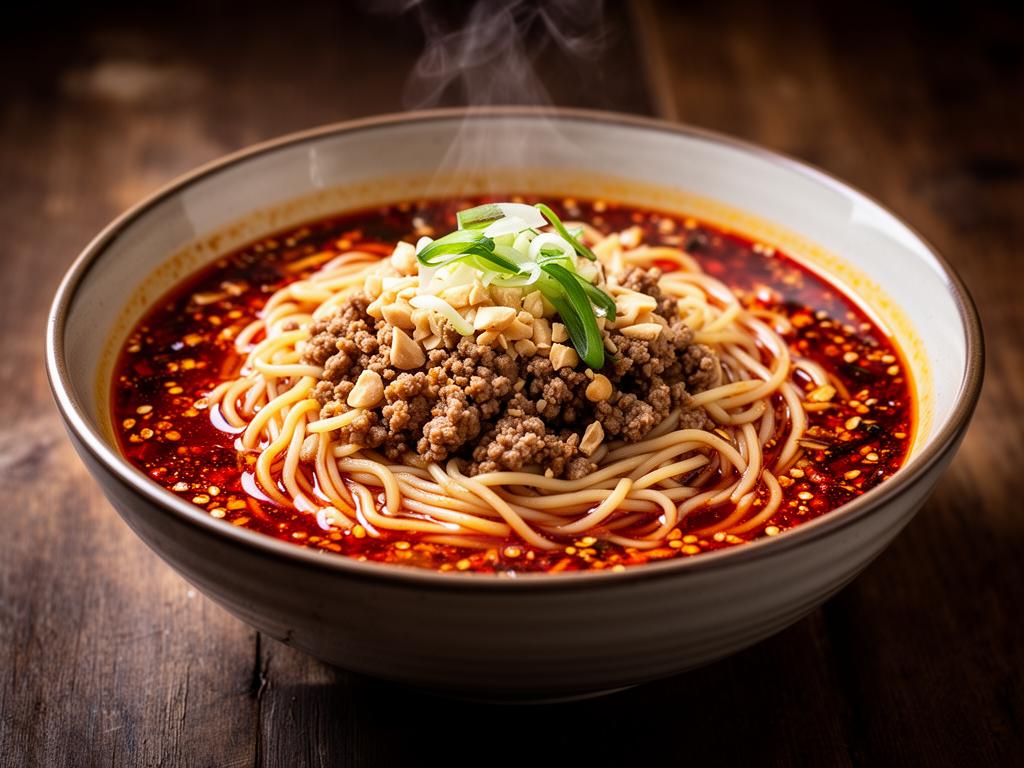
Dan Dan Noodles (担担面) — Authentic Sichuan Street Noodle…
Authentic Sichuan dan dan noodles with sesame paste, chili oil, and crispy pork topping. Ready in 35 min.
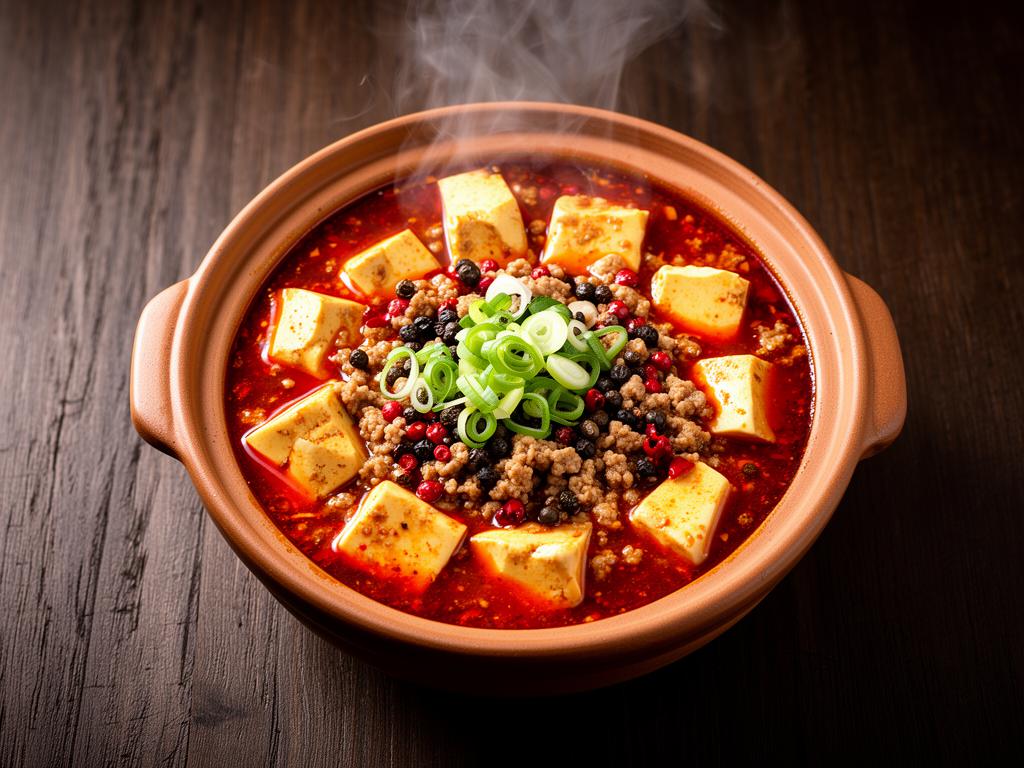
Authentic Mapo Tofu (麻婆豆腐) — The Real Sichuan Recipe
Learn to make authentic Sichuan mapo tofu at home — silken tofu in fiery doubanjiang sauce with numbing peppercorns. Ready in 30 min.
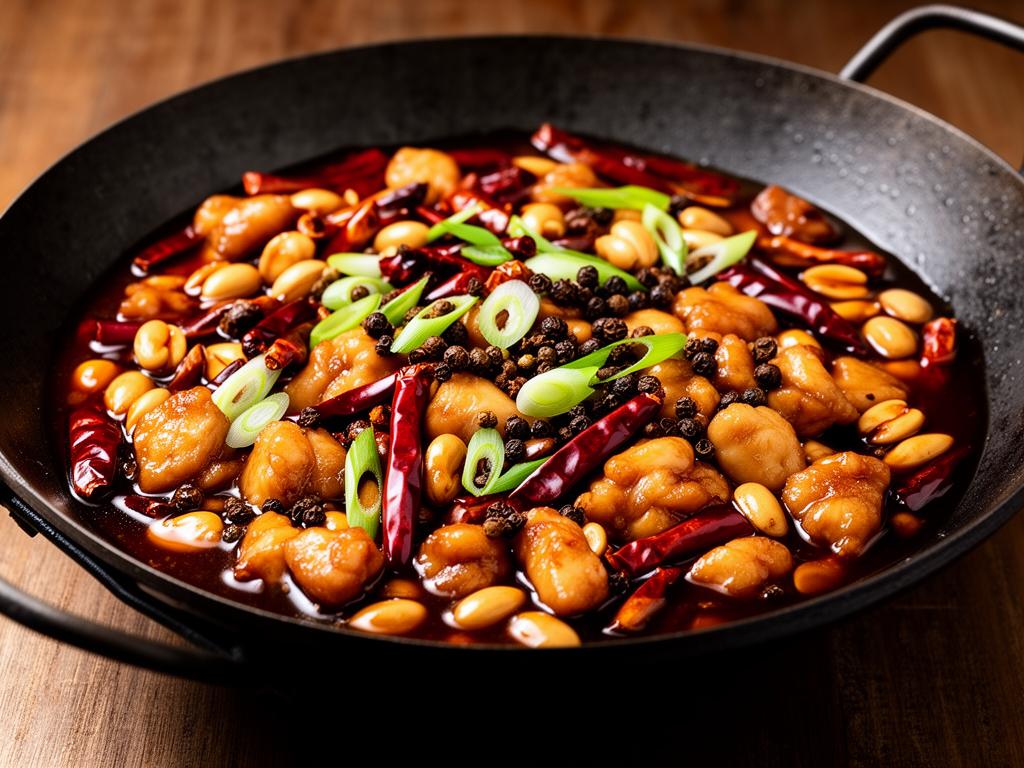
Authentic Kung Pao Chicken (宫保鸡丁) — The Real Sichuan Ve…
Make authentic Sichuan kung pao chicken with velveted chicken, dried chilies, and roasted peanuts. Ready in 30 min.