
iamifood.com
Chinese Steamed Egg (蒸水蛋) — Silky Smooth Custard
Chinese steamed egg (蒸水蛋, zhēng shuǐ dàn) is pure comfort — a silky, custard-like egg dish that's gentler and simpler than Japanese chawanmushi. The technique requires just eggs and water in the right ratio, but getting the texture perfectly smooth (no bubbles, no holes, no rubbery bits) requires knowing a few key tricks. The result should be as smooth as crème caramel — a quivering, barely-set custard that melts on the tongue.
Steamed egg is one of the most common home-cooked dishes in Cantonese households. It's considered ideal food for children, elderly, and anyone who needs gentle, nourishing food.
Ingredients
- • 3 large eggs
- • 300ml warm water (1.5x the volume of eggs)
- • 1 tsp soy sauce
- • ½ tsp sesame oil
- • Pinch of salt
- • Spring onions for garnish
- • A few drops of soy sauce for drizzling
Instructions
- 1
Beat eggs gently — whisk just enough to combine whites and yolks. Don't whip or create foam.
- 2
Add warm (not hot) water to the eggs. Stir gently. Season with salt.
- 3
Strain the mixture through a fine sieve into a heatproof bowl. This removes any lumps and air bubbles for a smooth result.
- 4
Cover the bowl tightly with cling film or a plate. This prevents condensation dripping onto the surface.
- 5
Steam over medium-low heat for 10-12 minutes. The custard is done when it barely jiggles in the centre — like set panna cotta.
- 6
Remove cover, drizzle with soy sauce and sesame oil, scatter spring onions, and serve.
Pro Tips
- 💡The water-to-egg ratio is 1.5:1 by volume. More water = softer custard. Less = firmer.
- 💡Use warm water, not cold or hot. Cold water makes a denser custard; hot water cooks the eggs prematurely.
- 💡Strain the mixture — this single step is the difference between smooth and lumpy custard.
- •The water-to-egg ratio is 1.5:1 by volume. More water = softer custard. Less = firmer.
- •Use warm water, not cold or hot. Cold water makes a denser custard; hot water cooks the eggs prematurely.
- •Strain the mixture — this single step is the difference between smooth and lumpy custard.
Frequently Asked Questions
Why does my steamed egg have holes/bubbles?
The heat is too high. Steam over medium-low heat, not high heat. Also make sure to cover the bowl.
Can I add toppings?
Yes — minced pork, dried shrimp, century egg, or scallops are popular additions. Add them before steaming.
Can I microwave this instead?
It works but the texture is less smooth. Microwave at 50% power in 30-second bursts.
Serving Suggestions
Serve as a side dish with rice and stir-fried vegetables. Also makes a comforting standalone snack or light meal.
You Might Also Like
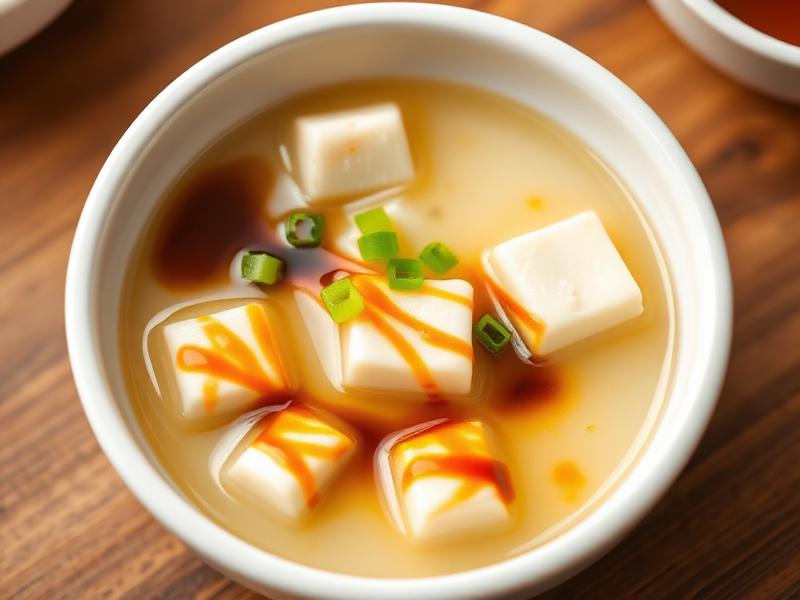
Steamed Egg with Silken Tofu (蒸蛋豆腐) — Silky Smooth
An impossibly silky steamed egg custard with soft tofu — one of the most comforting dishes in Chinese cuisine.
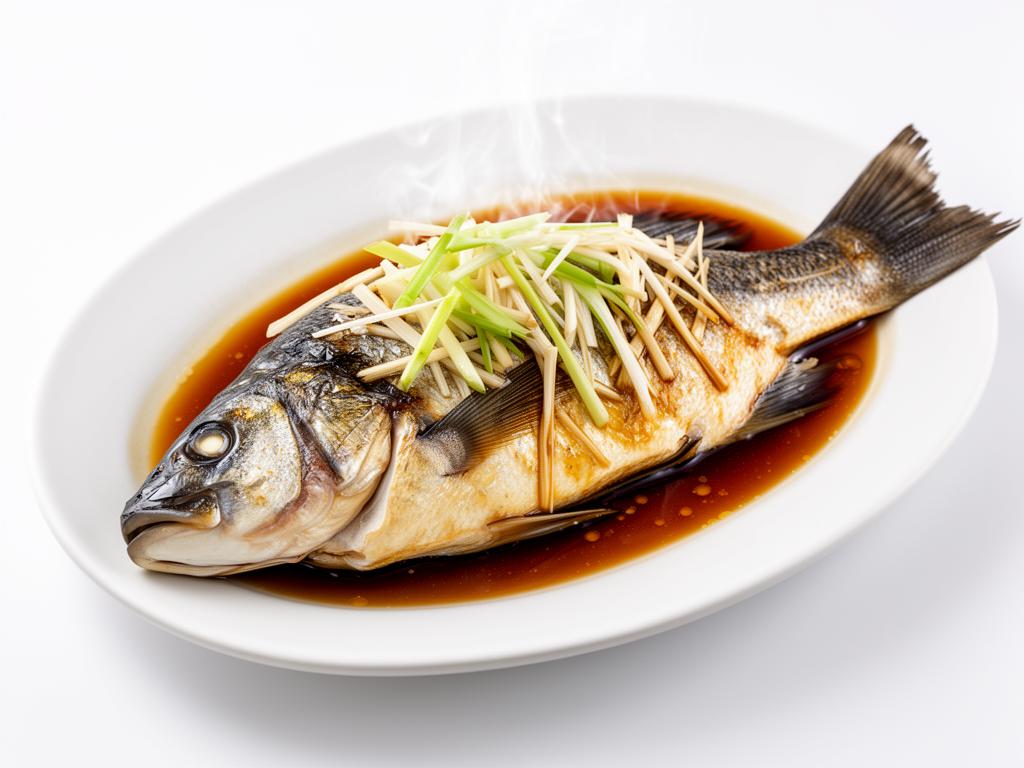
Cantonese Steamed Whole Fish — The Essential Technique
Master the essential Cantonese technique for steaming whole fish with ginger, scallion, and sizzling hot oil. Ready in 22 min.
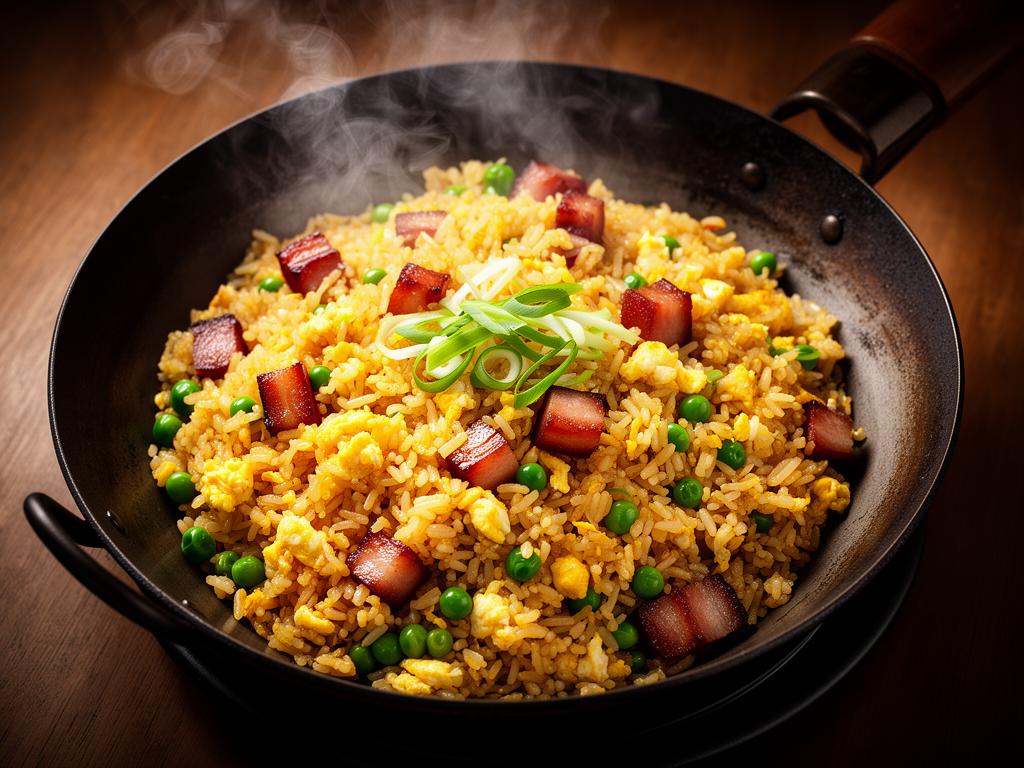
Restaurant-Style Egg Fried Rice — The Wok Hei Method
Master the secret to restaurant-quality egg fried rice with proper wok hei technique. Ready in 13 minutes.